
Mid-Autumn Light: Preparing Your Photo Essay Now
David Campbell
5 minutes to read
As the days shorten, the season changes what a photo essay can hold. A note on what to arrange, carry and decide before the first frost arrives.
Why this season asks for planning
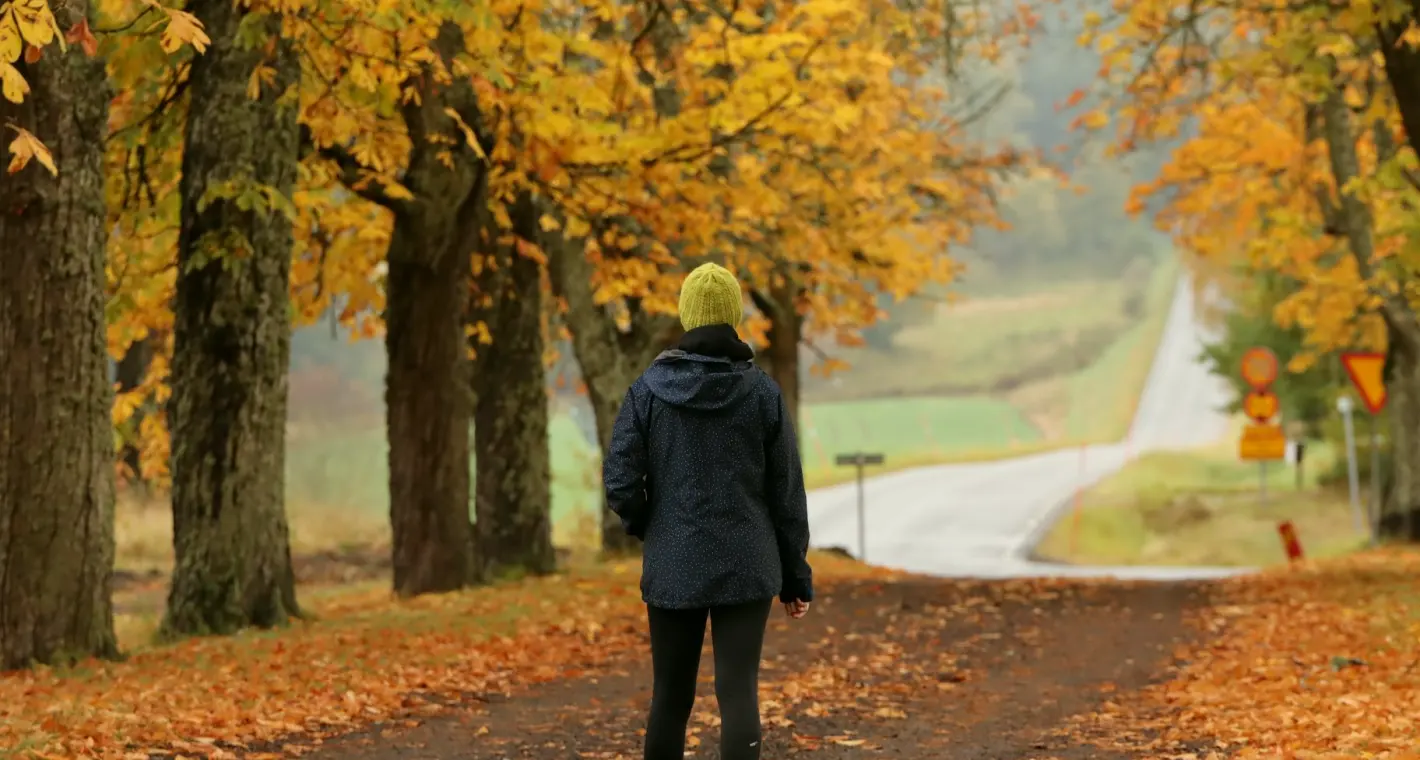
Mid autumn is the time of year when a photo essay that follows one place, craft or routine over days or weeks either finds its footing or slips away. The light is lower and warmer, the colours on the ground are changing daily, and the routines we like to follow, from harvest clean-up to the first cold mornings at a local rink, shift quickly.
I have spent many Octobers on assignments that began a week too late. By the time the first visit happened, the maple on the corner had dropped everything, or the market stall had packed up for the winter. A little preparation now saves a long wait until next year.
This note is for readers who are thinking about following a subject of their own, whether for the journal or simply for themselves, and want to start with some structure.
Choose one subject you can return to
A photo essay is built on return visits. One afternoon gives you pictures; five visits over a few weeks give you a story. So the first decision is a practical one: pick a place, craft or routine that you can reach easily and that will still be there in three weeks.
A hardware counter in a small town, a church kitchen on a baking day, a morning walk along a river path, a workshop where someone repairs furniture. These work because they repeat. Avoid anything that happens once and disappears, since you cannot build a sequence from a single event.
Think also about how close the subject is to your daily life. The easier it is to stop by on an ordinary Tuesday, the more likely it is that you will actually make those return visits.
- Pick something that repeats weekly or daily
- Choose a place within easy reach of home or work
- Prefer a subject with a few regular people in it
Ask permission before you raise the camera
The most important preparation has nothing to do with equipment. It is the conversation you have before the first photograph. Introduce yourself, explain that you are following the place over several weeks, and say plainly where the pictures might be shown.
People relax when they know what to expect. A baker who understands that you will be there at five in the morning for a month will stop performing for you by the second visit, and that is when the honest frames begin to appear.
Offer to show people what you have made. Be ready to hear no, and to leave a particular moment unphotographed if someone asks. Respect of this kind is the reason a subject lets you back in the following week.
Plan around the light and the weather
In these weeks the usable daylight shrinks noticeably. Golden light arrives earlier in the afternoon, and a grey, wet day can flatten a scene that looked striking the day before. Note when the sun reaches the places you care about, and arrange visits to match, rather than hoping the light will cooperate.
Cold also affects the work. Batteries drain faster in the chill, fingers stiffen, and lenses fog when you step from outdoors into a warm room. Carry spares kept in an inside pocket, and give your camera a few minutes to adjust before you shoot indoors.
Wet leaves, early dusk and slick pavement are all part of the season, and they can add texture to a sequence if you are dressed and equipped to stay out in them.
- Spare batteries kept warm in an inside pocket
- A cloth for lenses that fog or catch rain
- Warm gloves that still let you work the controls
Keep notes as carefully as pictures
Captions are half of a photo essay, and they are far easier to write on the day than from memory a month later. Keep a small notebook, or a notes file on your phone, and write down names with the correct spelling, the time of day, and one detail that the picture alone cannot tell.
I ask the people I photograph to say their own names aloud, then spell them back. It sounds fussy, but a wrong name in a caption is the kind of error that stays with a story and with the person.
Note what was said, too, but only what you are sure of. If you are not certain who stood where or what a tool is called, ask again on the next visit rather than guessing.
Think about the sequence early
You do not need a finished structure on the first day, but it helps to carry a rough shape in your head: a wide view that places the viewer, some closer scenes of hands and tools, a few portraits, and a quiet final frame that lets the story settle.
After each visit, look back at what you made and write down what is missing. If you have no wide establishing picture, make that the goal of the next trip. If all your pictures are of one person, look for the others who share the space.
This habit keeps the project from drifting. By the end of the season you will have a set of pictures that already reads in order, which makes the editing far calmer.
Get in touch
By email: [email protected]