
Why Photo Essays Are Spending Longer in One Place
David Campbell
5 minutes to read
A quiet shift in documentary work: more photographers are staying with a single street, workshop or routine for weeks, and readers are noticing what that patience brings to the page.
A slower way of working
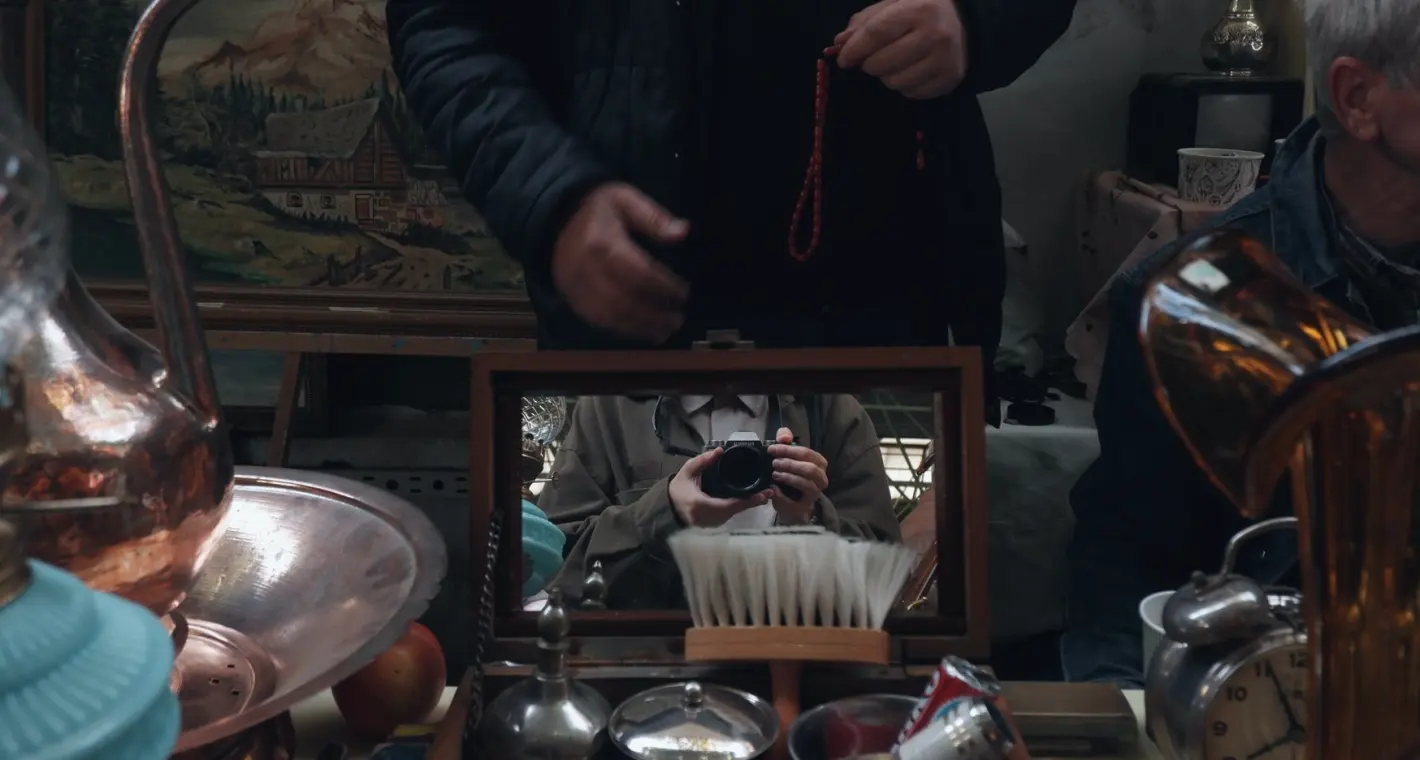
Over these weeks of mid autumn, the photo essays arriving at our desk share a quality that is easy to feel and harder to name. They stay. A photographer picks one place, a bakery before dawn, a curling rink being readied, a bus shelter on a long road, and returns to it many times instead of passing through once.
That sounds simple, but it changes the pictures. On a first visit people watch the camera. By the fifth, they have stopped noticing it, and the frames begin to show what the place is actually like when nobody is performing for a stranger.
We have seen this trend grow among the photographers who write to us, and we want to say plainly what it means for you as a reader, because it changes what a Through the Lens essay asks of you and what it gives back.
What longer attention changes in the frame
When a photographer has spent days in one room, the early pictures tend to be the obvious ones: the sign, the open door, the person behind the counter. Later frames get quieter. A pair of gloves left on a shelf. The way two coworkers stand without speaking. A light that only reaches the floor for twenty minutes in the afternoon.
These are the details that make a sequence feel lived in. They also make captions more useful, because the photographer knows the answers to the questions a reader would ask: who is this, what were they doing just before, how often does this happen.
In our own editing, we now look for the point in a set where the pictures stop describing and start observing. That point almost always arrives late in the shoot.
- Repeat visits soften the camera's presence
- Later frames favour small, unplanned details
- Captions can rest on what the photographer saw many times
What it means for how we edit
For the newsroom, longer projects mean fewer essays but more depth in each. I guide these from the first visit to the final sequence, and the work has moved away from choosing the best twelve pictures toward choosing the order that lets a place unfold.
We ask photographers to share contact sheets, not just selects, so we can see the progression of days. Often the strongest opening image is not the strongest picture; it is the one that sets the scene calmly enough for the rest to land.
We also give subjects more say. When someone has been photographed over weeks, they have earned a look at the sequence and a chance to tell us if a caption gets something wrong. That conversation has improved nearly every set it has touched.
What it asks of readers
A longer essay rewards a slower look. You may find it helpful to read the first caption, then spend a minute with each photograph before moving on, noticing what sits at the edges of the frame rather than only at its centre.
If a set feels quiet, that is often deliberate. Routine is rarely dramatic, and the pictures are trying to respect that. The pleasure is in recognising a gesture or a corner of a room that feels familiar, even when the town is hundreds of kilometres from yours.
Some readers have told us they now return to an essay a second time a few days later and see different things. We think that is the best sign the approach is working.
- Read the caption, then look before you scroll
- Check the edges of each frame
- Return to a set after a few days
A note for photographers and neighbours
If you take pictures where you live, this trend is an open door. You do not need travel or access to anything unusual. A single corner shop, a community hall on bingo night or a neighbour's garden through one season is plenty of material for a patient set.
What matters is asking permission, explaining what the pictures are for and going back. People relax when they see you again, and they tell you things on the third visit that they would never mention on the first.
We are glad to see readers and contributors treating their own surroundings with that kind of care, and we will keep making room for it in these pages.
Where this leaves the rubric
Through the Lens will keep following single places, crafts and routines over days or weeks, and the essays in the coming weeks lean further into that patience. Expect fewer pictures per set in some cases, and longer captions that say more about the hours behind each frame.
We would rather give one subject room to be seen properly than offer a quick tour of many. The longer a photographer stays, the less the picture belongs to the photographer alone, and the more it belongs to the place and the people in it.
Get in touch
By email: [email protected]