
How a Community Voices interview gets from kitchen table to page
Priya Sharma
6 minutes to read
A note from the rubric editor on how each interview and first-person story is found, recorded, checked with the person speaking, and edited before it appears here.
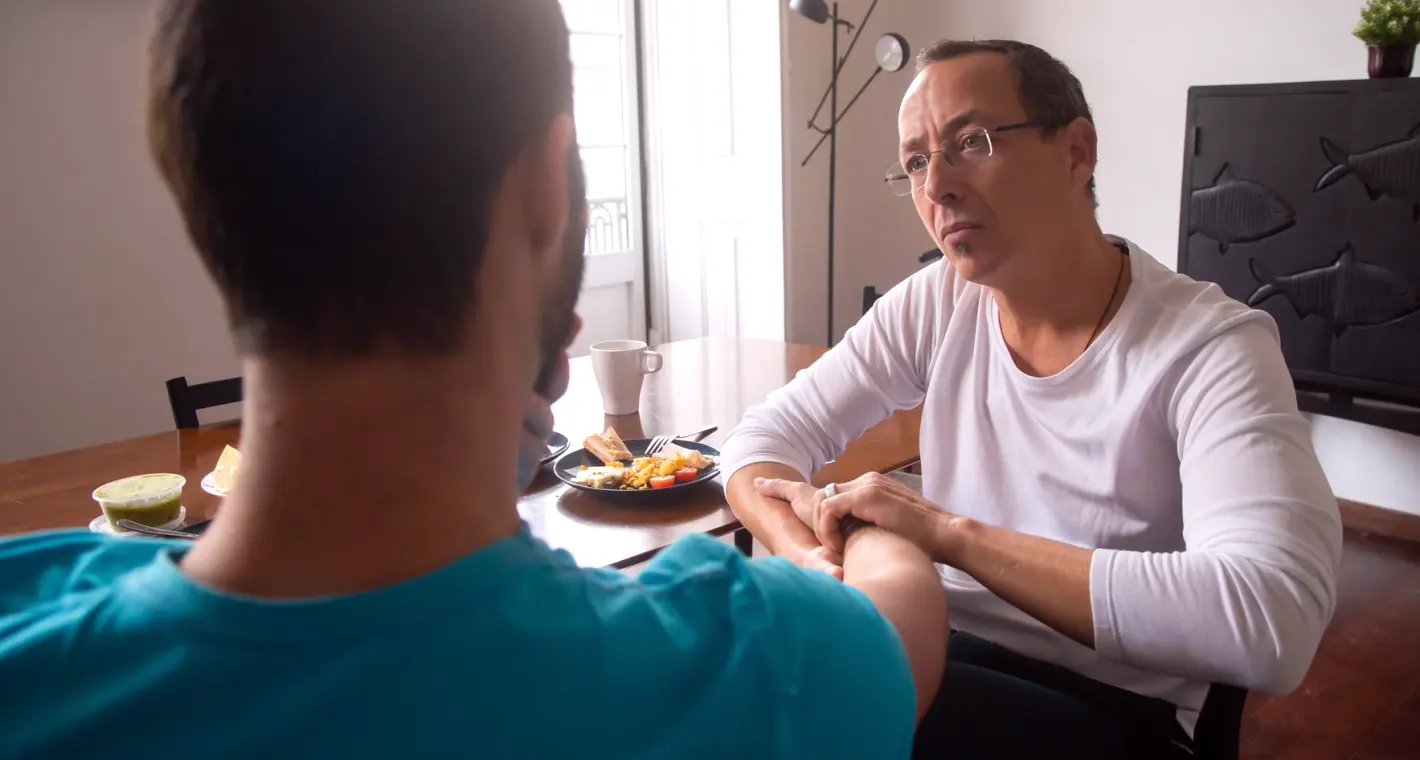
Where the conversations begin
Most Community Voices pieces start with a small thing: a neighbour who has run the same food bank shift for years, a woman who repairs bicycles in her garage, a volunteer who keeps a rink flooded through the cold months. I rarely begin with a topic. I begin with a person who has something to say about the ordinary work of their own days.
Readers sometimes write in with suggestions, and those letters are read carefully. A name that comes up more than once, from different directions, usually deserves a first conversation. That first conversation is not recorded. We sit, we talk about the place and the work, and the person decides whether they want to go further. Many do, and some politely do not, which is entirely their right.
I would rather lose a story than press someone into it. A voice that was coaxed rarely sounds like the person who owns it, and readers can hear the difference.
How an interview is recorded
When someone agrees, we meet where they are comfortable: a kitchen, a workshop, a bench outside the hall. I bring a notebook and a small recorder, and I explain at the start what each is for. People relax once they see the recorder is simply a way of getting their words right, not a trap for a careless sentence.
I ask short questions and then wait. The silences are often where the best answers arrive, because people fill a pause with something they had not planned to say. I try not to steer toward a conclusion I have already written in my head. If an answer surprises me, that is usually a sign the story is better than my outline.
A typical conversation runs longer than the piece will, sometimes by a wide margin. That is normal. The recording is the raw material, and the editing that follows is where care matters most.
- One conversation, usually unhurried, in a place the person chooses
- A recorder only with the person's agreement
- No questions sent in advance as a script
Checking what we publish
Before anything appears, the person who spoke sees their own words. I send the edited text, or read it aloud when that is easier, and ask whether it sounds like them and whether anything is wrong or would be hurtful to someone else. Changes they ask for are made. A correction to a detail, such as a name or the order of events, is simple and welcome.
Facts that can be checked are checked: the name of a hall, what a group does, how long a routine has gone on. If a person recalls something I cannot confirm, I say so in the text as their recollection rather than stating it as settled. First-person stories are labelled as what they are, one person's account in their own voice.
Editor-in-chief Margaret Tremblay reads each piece before it goes out, and photographs are matched to the story with the same attention.
- The speaker reviews the text before publication
- Checkable details are confirmed separately
- Memories are presented as memories
Editing without changing the voice
Spoken language wanders. People repeat themselves, start a thought and abandon it, and trail off. Editing means trimming that wandering while keeping the rhythm and the word choices that make a person sound like themselves. I do not tidy a regional turn of phrase into something blander, and I do not add words someone never said.
Order sometimes changes. A remark made near the end of an hour may belong at the start of the page, and I move it only when the meaning stays whole. If a cut would alter what a person meant, I leave the passage longer than I would like.
The aim is a piece that a speaker reads and recognizes. If they read it and feel it is someone else, I have edited too hard, and I go back to the recording.
How readers find these stories
Community Voices pieces sit under their own rubric on the site, alongside Through the Lens, People & Places and Everyday Moments. Each one is dated and carries the name of the person who spoke and a short line on who they are, so you can see at a glance whose story you are reading.
Because the publication appears about once a day across all four rubrics, a Community Voices piece turns up every few days rather than constantly. That pace is deliberate. One careful conversation, checked and edited, is worth more to a reader than a pile of quick quotes.
If you want to suggest someone, the contact page has a form. Tell us who they are, what they do and why their story seems worth hearing. We read every message, though we cannot promise a reply to each one.
What we ask of the people we talk to
We ask very little. A person needs to be willing, to speak honestly about their own experience, and to read the result before it runs. They do not need to be well known, polished or comfortable in front of a camera. Some of the finest conversations have come from people who began by saying they had nothing interesting to tell.
We also ask them to tell us if something changes. A person may agree one week and reconsider the next, and they are free to withdraw their words before publication. A story should never become a source of worry for the one who gave it.
In return we promise to listen first, to keep their meaning intact, and to treat their neighbours and families mentioned in passing with the same respect we give the speaker.
- Willingness, honesty and a read-through
- Freedom to withdraw before publication
Get in touch
By email: [email protected]