
How Do We Choose the Towns We Photograph for People & Places?
Luc Gagnon
5 minutes to read
A reader asked how a town or neighbourhood ends up in the rubric. Here is the short answer: how we pick places, how we visit them and what we ask of the people we meet.
The question we received
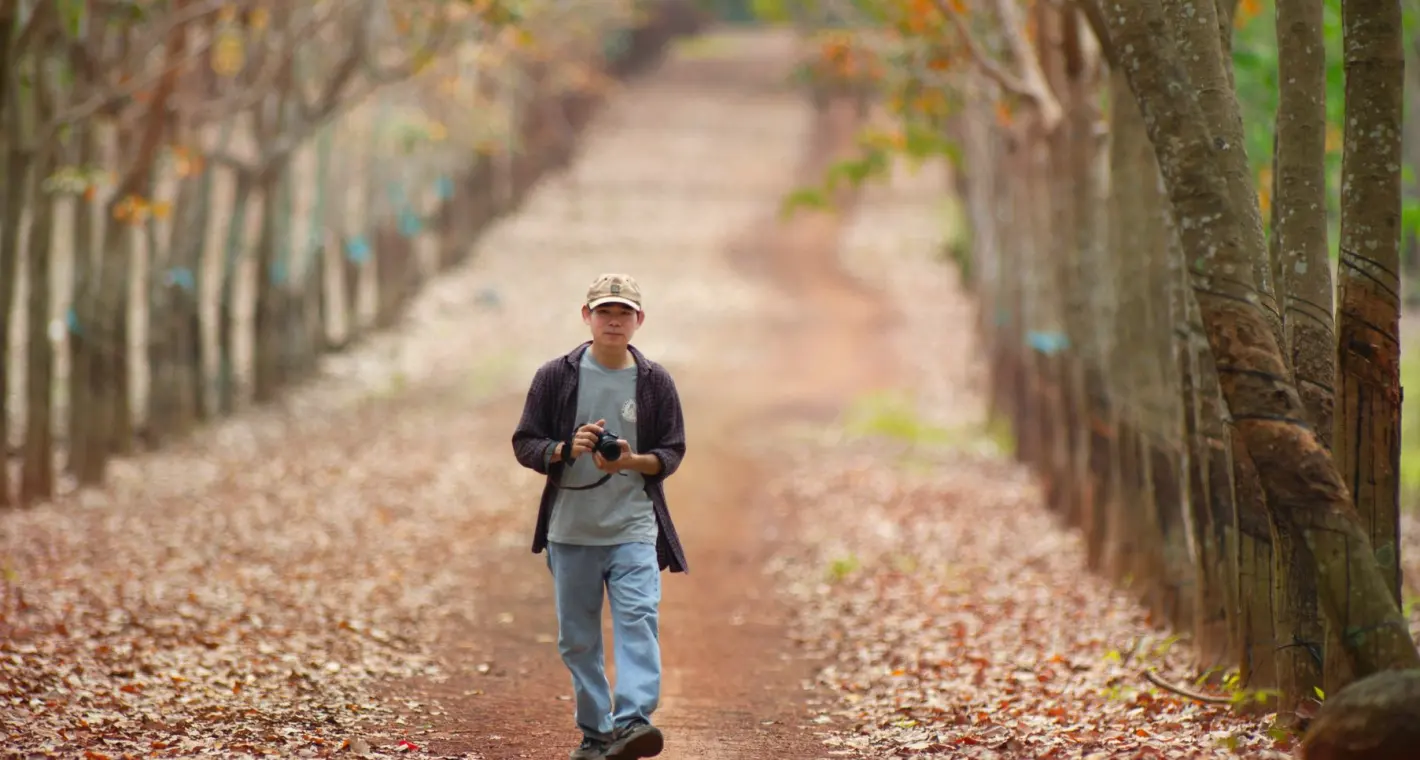
A reader wrote to ask how we decide which towns and neighbourhoods appear in People & Places, and whether a place has to be pretty, large or well known to be considered. The honest answer is that none of those things matter much. What matters is whether there is a shared space worth sitting with: a corner store, a rink, a bench outside a library, a market that sets up in the same car park each week.
I write the captions and notes for this rubric, so the question lands close to my desk. I want to answer it plainly, because the way we choose places shapes what you see here, and readers deserve to know that the choices are made on purpose and with some care rather than by habit or convenience.
What makes a place worth a visit
We look first for places where people meet without planning to. A public space tells you a great deal about a community: who uses it, at what hour, and what they leave behind. A quiet street at seven in the morning can say more than a festival weekend, and the mid autumn light these weeks makes both easier to photograph honestly.
We also try not to return to the same kinds of places. If a run of pieces has covered small main streets, the next idea is likely to come from an apartment courtyard, a bus shelter or a community garden being put to bed for winter. Variety keeps the rubric from becoming one town told many times.
Suggestions from readers count for a lot, since you know corners of your own neighbourhood that we would never find from Sudbury.
- Shared spaces over landmarks
- Ordinary hours over event days
- A mix of towns, suburbs and city streets
- Places readers point us toward
How a visit actually goes
A visit is slow by design. We walk first, camera mostly down, and talk to people before we photograph them. Often the first hour produces no usable frame at all, and that is fine. Shopkeepers, regulars and neighbours tend to relax once they see we are not in a hurry and are willing to answer questions about ourselves as readily as we ask them.
Notes are taken on the spot: street names, what a building was before, who runs the counter. Those details become the caption text later, so each photograph is placed rather than simply labelled with a town name. Accuracy at this stage saves corrections afterwards.
We usually return a second time, at a different hour, because a place seen once is only half seen.
Asking permission and saying no
People in the frame are not scenery. When someone is the clear subject of a portrait, we ask, explain where the picture will appear and offer to take it down if they change their mind. If a person says no, we put the camera away and often keep talking, because a refusal is part of the story of how a place feels about being looked at.
Children and people in vulnerable moments are handled with extra caution, and some frames never run even when they are strong. A good photograph is not worth a neighbour feeling used.
Where a shot shows a small crowd rather than an individual, we still keep faces incidental and avoid singling anyone out in the caption.
- Ask first when a person is the subject
- Explain where the picture will appear
- Honour a change of mind
- Skip frames that would embarrass someone
Checking the details before publishing
Before a piece goes live, the notes are read against the pictures. Spellings of street and shop names are confirmed, descriptions of what a building is used for are checked, and anything we are unsure about is softened or cut rather than guessed. Margaret reads the final sequence as editor-in-chief, and a second pair of eyes catches the small mistakes a tired writer misses.
If we get something wrong after publication, we correct the text and say so at the foot of the piece. Readers who know a place better than we do are often the best fact-checkers we have, and we welcome their notes.
How you can point us somewhere
The simplest route is the contact form on this site. Tell us the name of the place, what you notice there that others might walk past, and roughly when it is at its most alive. You do not need photographs or polished writing; a few honest sentences are enough for us to judge whether a visit makes sense.
We cannot promise a visit to every suggestion, and some places will wait for the right season. But each message is read, and several of the places in this rubric began as a line from a reader about a street they love.
Get in touch
By email: [email protected]