
Three Small Updates from the Field: Photo Essays in Progress
David Campbell
5 minutes to read
A short roundup from the Through the Lens desk: three quiet developments in the photo essays we are following, from a long-running workshop series to the way autumn light is changing our plans.
Why a roundup, and why now
Most of what happens on a photo essay never reaches the page. A visit gets rescheduled, a subject asks for a different time of day, a frame that looked ordinary on the back of the camera turns out to carry the whole story. This roundup collects three of those small moments from the desk I edit, written while the leaves are still turning and the light is doing most of the work for us.
None of these updates is a finished essay. They are notes from the field, the kind of thing I would tell a colleague over coffee after a week of visits. I am sharing them because readers sometimes ask what the slow part of a long-form project actually looks like, and the honest answer is that it looks like a lot of waiting, a lot of listening and a handful of good decisions made quietly.
Update one: a workshop we keep returning to
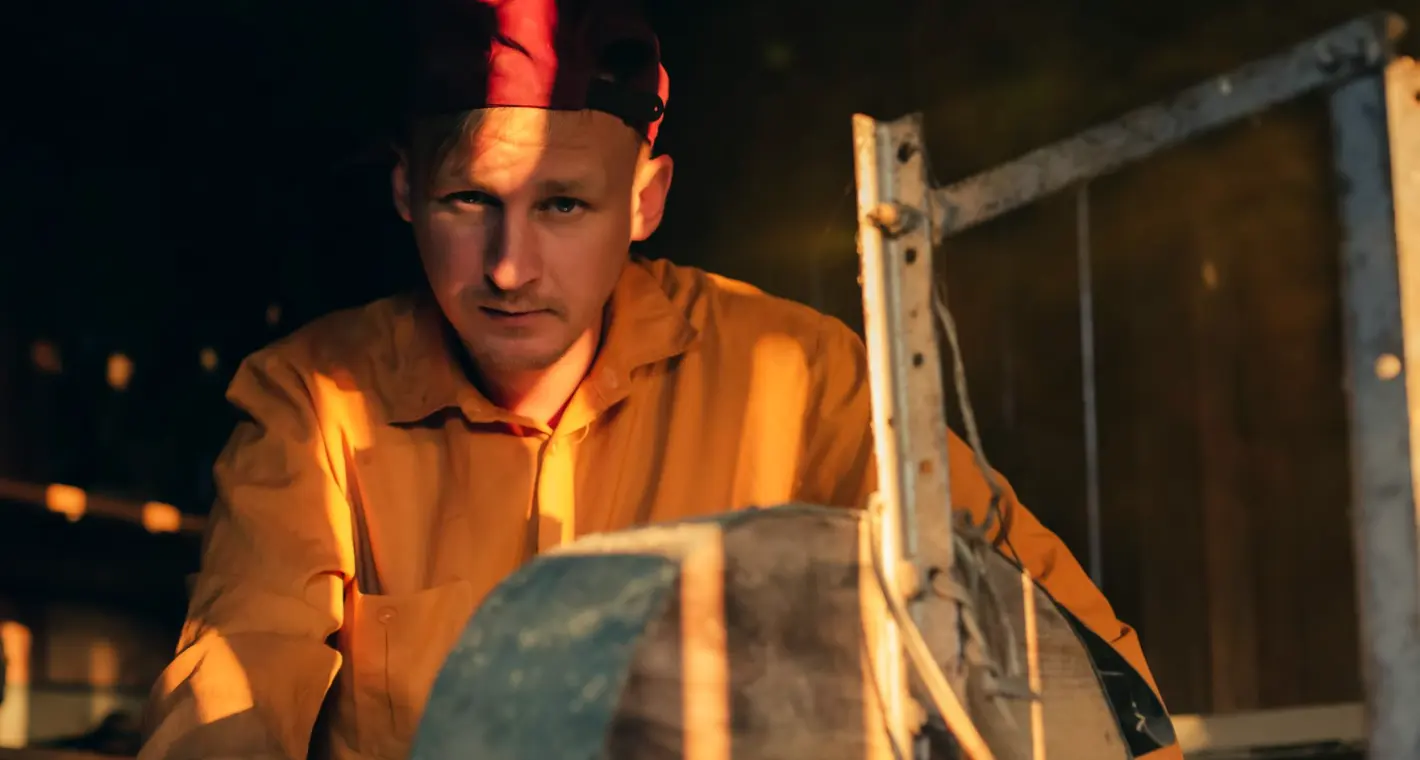
The first essay still in progress follows a small woodworking shop on a town main street. We have now made visits across several weeks, and what interests me has shifted. At the start I was drawn to the finished pieces. By the third visit I was watching the hands, the worn bench edge, the way the owner hums while he sands. Those details carry more of the place than any completed chair.
What I am learning is to arrive without a shot list. The first hour at the shop is mostly conversation and carrying things. The camera stays in the bag until the room forgets about me. Several of the strongest frames so far came in the last twenty minutes of a visit, when everyone had stopped performing and gone back to ordinary work.
- Arrive early and help with small tasks before shooting
- Leave the camera packed for the first hour
- Return at different times of day to see the same room change
Update two: a routine that asked to change
The second note concerns an essay about a morning routine in a neighbourhood bakery. We had planned to photograph the early shift at dawn. The baker gently pointed out that the real rhythm of the place starts earlier, in the dark, and that the quiet hour before opening is when the work feels most like itself. We changed our plan, and the sequence is better for it.
This is the part of documentary work I value most: being corrected by the people who know the routine. A photographer can bring a point of view, but the subject owns the day. When we adjust to their timing instead of ours, the pictures become less about what we expected and more about what is actually there.
Update three: working with autumn light
The third update is about the season itself. Mid autumn gives photographers low, warm light for a few hours each day and long stretches of flat grey the rest of the time. Our essay on a riverside walking path is built around that contrast, and we are scheduling visits to catch both, rather than waiting for a perfect afternoon that may not come.
Practically, this means shorter days in the field and more of them. It also means thinking about what the grey hours are good for: faces without hard shadows, wet pavement that holds colour, people in coats and scarves moving at a slower pace. A flat sky is not a failure. It is a different kind of picture, and often a gentler one.
- Plan two short visits instead of one long one
- Use overcast hours for portraits and close detail
- Keep the low-sun hours for wider scenes of the path
What these notes have in common
Reading the three updates together, I notice the same lesson repeating. In the workshop, I learned to wait. At the bakery, I learned to be told. On the riverside path, I am learning to work with the weather instead of against it. None of this is dramatic, and none of it will be obvious in the final photographs, but it shapes every frame.
A photo essay is built from many small acts of attention. When readers see a sequence of eight or ten pictures, they are seeing the surviving fraction of dozens of visits and countless conversations. I find it helpful to remember that the quiet decisions, the ones nobody sees, are usually the ones that make the work feel honest.
What comes next on the desk
Over the coming weeks I will keep visiting all three places, and the editing will begin once the sequences feel complete rather than merely full. I would rather publish an essay that is a little late and true to its subject than one that arrives on schedule and feels thin. The people in these pictures have given us their time and their routines, and they deserve a careful edit.
If you have been following the Through the Lens pieces, thank you for your patience with how long they take. Slow work is not always visible work, but it is the reason a good photograph can still hold your attention long after the first glance.
Get in touch
By email: [email protected]