
Getting Ready for Mid Autumn on Our Town Streets
Luc Gagnon
5 minutes to read
A note on how the season changes the public spaces we photograph, and what to prepare now so the light, the weather and the crowds work for you rather than against you.
Why this stretch of autumn matters for town portraits
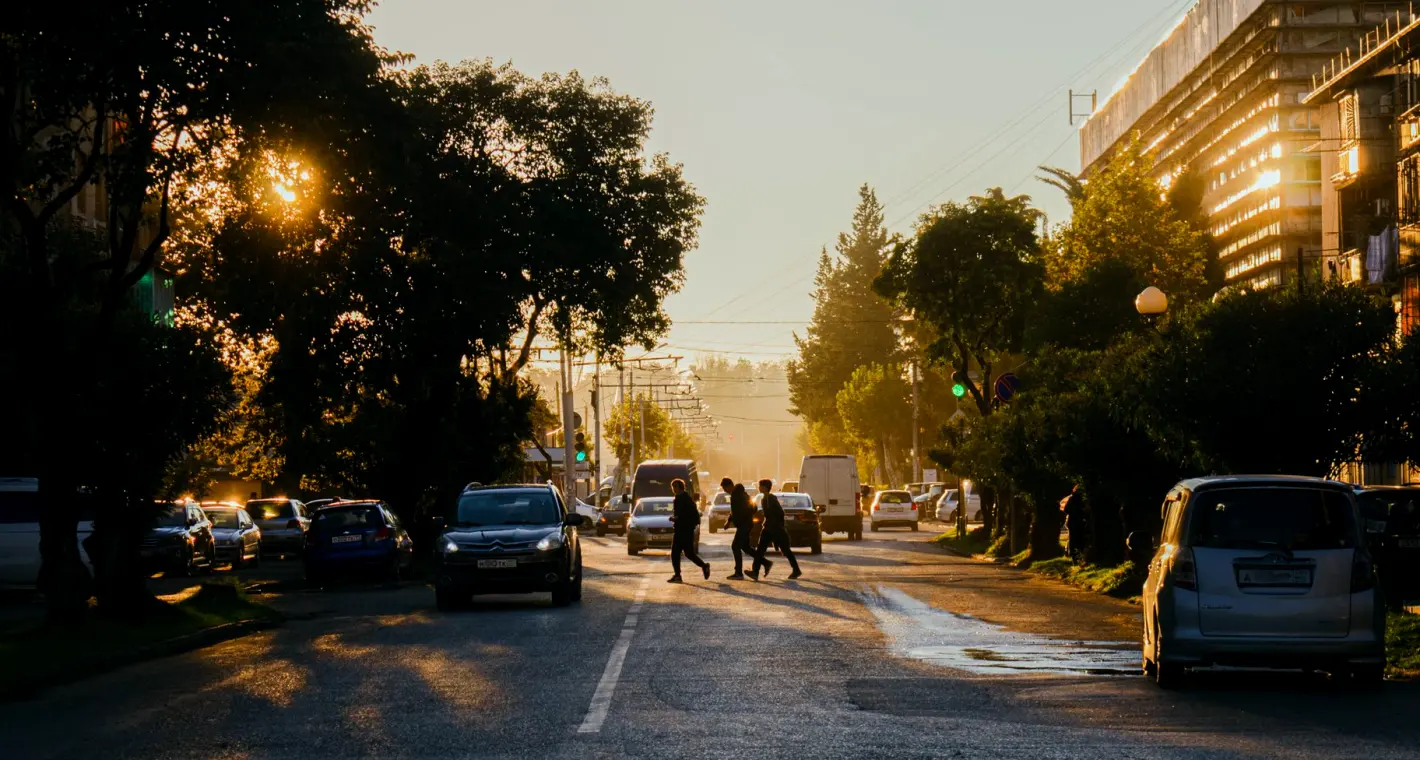
Every year around now the streets I write about for People & Places begin to look different. The leaves along the sidewalks turn, the shop windows change from summer displays to heavier coats and preserves, and the people who share our public spaces move a little more slowly and wear a little more colour. For anyone photographing a neighbourhood, this is one of the kindest times to be outside.
It is also a short window. The good colour lasts a couple of weeks at best, and a single wet, windy night can strip a favourite street bare. That is why I treat mid autumn as a season to prepare for rather than something to wander into. A bit of planning now means you spend the good days making pictures instead of solving problems.
Walk your route before you carry a camera
My first advice is to walk the streets you plan to cover without any equipment at all. Go at the hour you hope to photograph and simply watch. Notice where the sun falls across the pavement, which side of the main street stays in shade, and where people naturally pause: outside the bakery, at the bus shelter, on the bench by the library.
I keep a small notebook for this. After two or three walks the pattern becomes clear, and I know that one corner glows around four in the afternoon while the park path is best in the morning. Towns repeat themselves daily, and learning that rhythm lets you arrive just before the moment rather than just after it.
- Visit at the hour you intend to shoot
- Note where light and shade fall
- Mark places where people tend to gather
Dress and pack for changing weather
Mid autumn weather in our part of the country can turn within an hour. A bright morning becomes a damp afternoon, and the first cold snap often arrives with little warning. I have lost good light more than once because I was cold and went home early. Layers you can add and remove, a hat, and gloves that still let you work a camera dial make a real difference.
Protect the gear as well. A simple rain cover, a few dry cloths and spare batteries kept in an inside pocket will save a day. Cold drains batteries faster than most people expect. None of this is complicated, but it is easy to forget until the drizzle starts and the best scene of the week walks past.
- Layers, hat and thin gloves
- A rain cover and dry cloths
- Spare batteries kept warm
Earlier dusk changes how you plan the day
The days are shortening noticeably now, and the golden hour arrives well before supper. Streets that were easy to photograph after work in summer fall into dusk by the time most people finish their day. I adjust by shifting my walks earlier, and by treating the blue hour, when shop lights come on, as its own opportunity rather than a loss.
Lit windows, porch lamps and the glow from a corner store give town photographs a warmth that midday simply cannot offer. You will need a steadier hand or a higher sensitivity setting, so practise before you need it. Try a few frames on a quiet evening, and learn what your camera can do before a good scene appears.
Ask first and remember the people who live there
Public spaces belong to the people who use them, and the shopkeeper sweeping leaves from the doorstep has not agreed to be a subject. At People & Places we speak to someone before we photograph them in any close or lasting way, and we explain who we are and what the picture is for. Most people are generous when asked plainly.
Autumn gives you easy reasons to start a conversation: the weather, the harvest displays, the first scarves of the season. A short, friendly exchange often leads to a better portrait than a quick frame taken from across the road. If someone says no, thank them and move on. The streets will still be there tomorrow, and so will the goodwill you protected.
Prepare your notes and captions as you go
A photograph of a town is only half useful without the words that place it. Luc, the editor who writes these notes, would tell you the same: write down the street, the time and a line about what was happening while it is fresh. Two weeks later, a frame of a bench by a leaf-covered path means very little without that context.
I carry a pencil and a small card for this, because screens fade in the cold and phones run low. Even a few plain words, such as the name of the shop, the weather and who you spoke to, will turn a pile of images into a record. Good captions are made on the street, not at the desk.
Get in touch
By email: [email protected]