
Why Quiet Daily Scenes Are Finding More Space in Photography
Hannah Fraser
5 minutes to read
A brief update from the Everyday Moments desk on the growing attention to small, ordinary scenes, and what that shift means for how readers look at their own days.
A change we have noticed in the work we receive
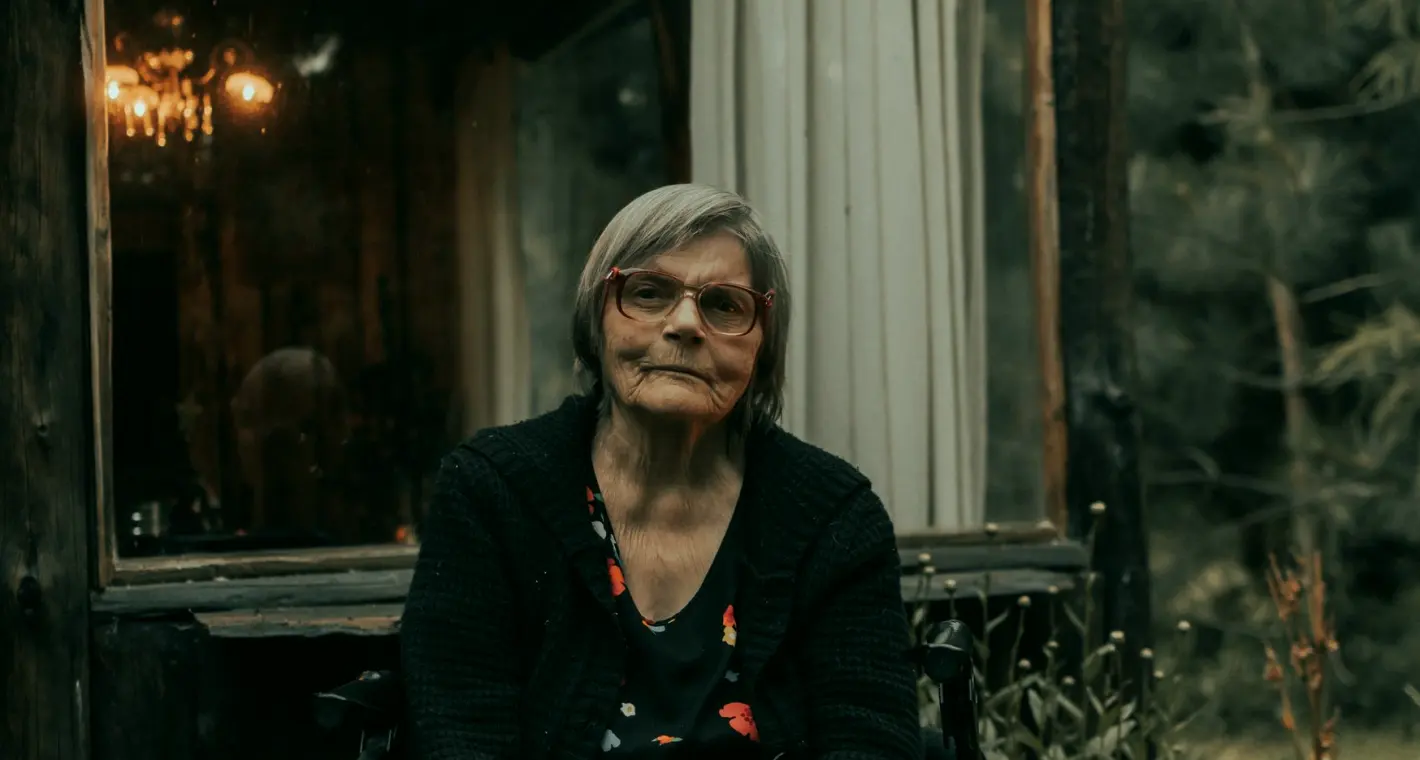
Over these autumn weeks, the photographs arriving at the Everyday Moments desk have shifted in a way worth describing. Fewer of them show an event or an occasion. More of them show a hallway at six in the morning, a pair of boots by a back door, a neighbour sweeping leaves from a shared walkway. These are scenes that used to be passed over because nothing seemed to happen in them.
I read this as a change in confidence rather than in subject matter. Photographers, and the people who look at their pictures, seem more willing to trust that an ordinary moment holds enough. A kettle on a stove can carry a whole household's rhythm if the frame is patient and the caption is honest about what it shows.
For readers, the practical effect is simple: the pictures ask for a slower kind of looking. They do not announce their meaning, and they reward a second glance at the light, the objects and the small gestures that fill them.
What counts as an everyday moment
The rubric exists for small, quiet scenes from daily life, and the definition is looser than people expect. A moment qualifies when it is unposed, when it belongs to the person living it, and when it would likely have gone unrecorded without someone paying attention. A breakfast table qualifies. A staged family portrait does not.
We also ask whether the scene could be anywhere. The strongest pieces are rooted in a particular place: the frost on a particular kind of window, the way a town's early bus sounds as it pulls away. Specificity is what separates a record of life from a generic image of it.
Scale matters too. A single frame can stand alone, but a short sequence often says more, because routines reveal themselves through repetition. Three photographs of the same doorway across a week can show what one cannot.
- Unposed and unannounced
- Rooted in one real place
- Left in the person's own setting
The caption is doing more work than before
As the pictures become quieter, the words beside them carry more responsibility. A caption on a quiet scene cannot lean on drama. It has to say where the photograph was made, who is in it with their permission, and what the photographer actually saw rather than what they hoped it meant.
I edit captions with a plain test. If a caption could be moved to a different photograph without anyone noticing, it is too vague and goes back for another draft. Good captions name the hour, the room, the object, the small thing that makes this frame this one.
This also protects the people in the pictures. A careful caption does not turn a neighbour's kitchen into a symbol. It describes what was there and leaves the reader room to bring their own life to it.
What this means for people who read us
If you read photo stories to feel closer to places you may never visit, this trend works in your favour. Quiet scenes travel well because they are about things everyone recognizes: waiting, preparing, tidying, resting. You do not need context to feel the weight of an empty chair by a window.
It also changes what you might notice in your own surroundings. Several readers have written to say they started seeing their own mornings differently after spending time with these pictures. That is a modest result, and it is the one we hope for.
None of this requires equipment or training. The habit being encouraged is attention, and attention is something any reader already has.
Ways to practise looking
For readers curious about trying this themselves, a few habits help. Pick one place in your home or street and look at it at the same hour for several days. Notice how the light moves across it. You are not collecting pictures yet, only learning what is already there.
When you do take a photograph, keep it for the scene rather than for an audience. Pictures made to be shown tend to look arranged. Pictures made because a moment caught your eye tend to look true.
Then write a sentence or two beside it, the way a caption would. Say where you were and what you noticed. The exercise sharpens both the looking and the telling.
- Return to one spot at the same hour
- Photograph without planning an audience
- Write one honest sentence beside it
What we will keep doing at this desk
Our approach does not change with a trend. We will keep choosing scenes that belong to the people in them, captioning with care, and declining pictures that treat someone's private routine as material for effect. If a quiet photograph needs a conversation with the person in it before it runs, that conversation happens first.
The shift toward smaller subjects is welcome, but it is not a rule. Some days a busy market scene is the right picture, and the rubric has room for it when the moment is unforced.
What stays constant is the respect for ordinary life as a subject worth looking at closely, and for readers as people who can look closely too.
Get in touch
By email: [email protected]