
One Small Habit for Better Photo Essays This Week
David Campbell
5 minutes to read
A short practical tip from the Through the Lens desk: before you shoot a single frame this week, spend one evening walking the same place and noting what repeats.
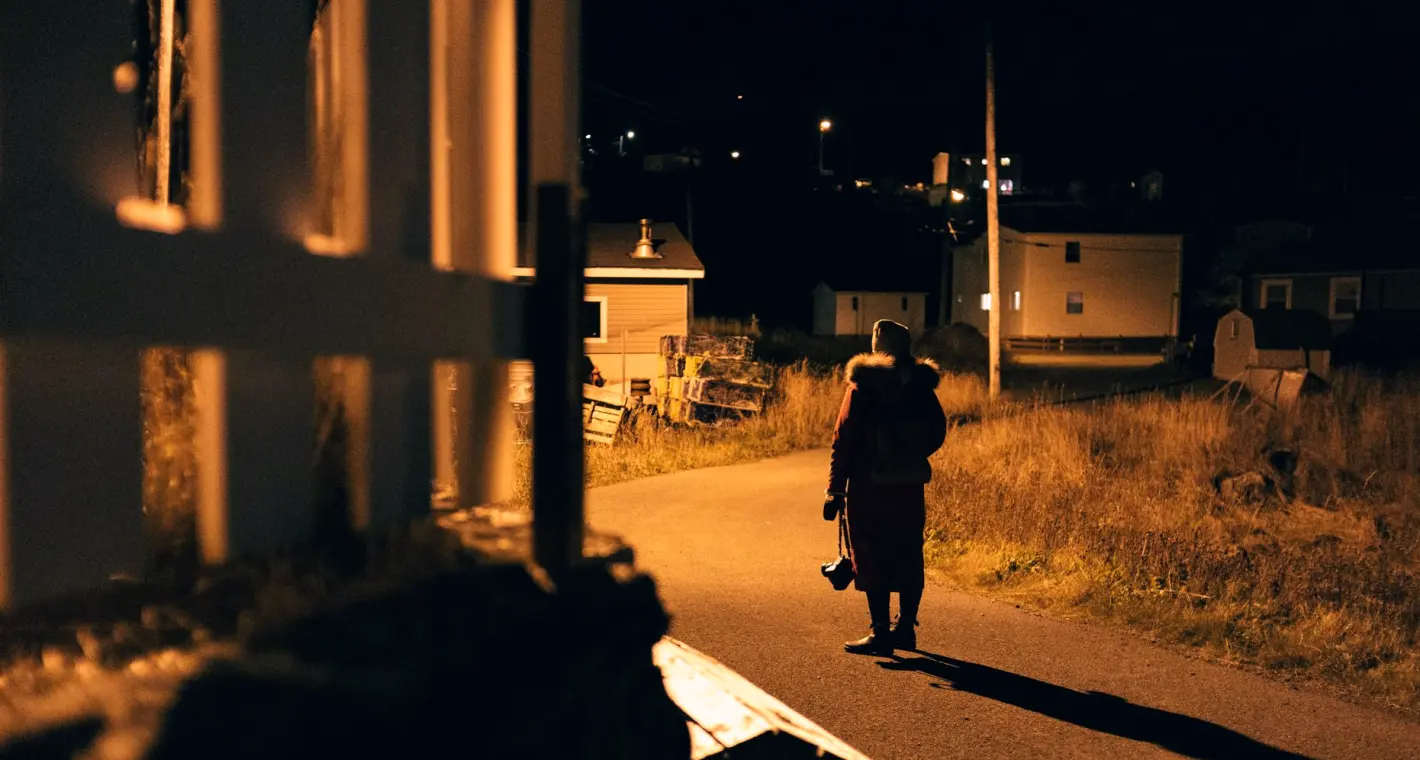
Walk first, photograph later
Most photo essays go wrong in the first hour, not the last. A photographer arrives at a place with a camera already raised and starts collecting pictures before understanding what the place is actually like. This week, try the opposite. Choose one street, one workshop, one corner of a market, and visit it without taking out your camera at all.
The idea is simple and costs nothing. You are not scouting for a single striking image. You are learning the rhythm of a place so that, when you do start shooting, you already know where people stand, when the light turns, and which doors open at which hour.
Mid autumn is a good time for this. The light is lower and softer through the afternoon, and the days are short enough that you can see the whole shape of a day in a few hours.
What to write down on the walk
Carry a small notebook or use the notes on your phone. You are not writing prose. You are keeping a plain list of what happens more than once, because repetition is what holds a photo essay together. A single photograph shows a moment; a sequence shows a routine.
Write down the times you see things happen. The baker who props the door open at the same hour, the neighbour who sweeps the same stretch of pavement, the way the school crossing fills and empties. These small patterns become the spine of your story later, and they are easy to miss when you are looking through a viewfinder.
Keep the notes short and honest. If you are unsure what you saw, say so on the page. You can check it on the next visit.
- Times when activity starts and stops
- Where the light falls at different hours
- Who is usually there and who is not
- Sounds and smells you may want to remember
Choose where you will stand
After a couple of visits you will notice that you keep drifting to the same few spots. Pay attention to that. Those are usually the places where you can see the activity clearly without getting in anyone's way, and they are worth marking in your notes.
Standing in one place for a while changes how people treat you. At first they glance over. After twenty minutes you become part of the scenery, and the ordinary behaviour you came to see starts to return. This is the quiet advantage of patience, and no equipment can replace it.
Choose two or three vantage points rather than ten. A small, repeated set of positions gives your later pictures a visual consistency that readers feel even when they cannot name it.
Say hello before you raise the camera
If your essay will include people, introduce yourself on these first visits. Say who you are, what you are working on, and that you may come back with a camera. Most people appreciate being told, and many will tell you something useful in return, such as the day the place is busiest or the person you should meet.
Keep the conversation light and unhurried. You are not interviewing anyone yet. You are making it ordinary for them to see you around, so that the camera, when it appears, is not a surprise.
Always make it easy for someone to say no. A person who feels comfortable declining is far more likely to agree later, and the pictures made with their consent carry a different kind of calm.
- Give your name and what the project is
- Explain where the pictures may appear
- Offer to show people the photographs afterwards
Decide what you are not shooting
A useful part of this week's exercise is a short list of things you will leave out. A place can be photographed a thousand ways, and an essay that tries all of them ends up thin. By the end of your walks, write two or three sentences about what this story is and one about what it is not.
This keeps you from chasing every pleasant scene. If the essay is about a morning routine in a small workshop, the view of the hills outside is tempting but belongs to a different piece. Holding that line makes the final sequence tighter and easier to read.
You can always change your mind after the first real shoot. The point is to start with a direction, even a modest one, rather than a pile of unrelated frames.
Then bring the camera
Once you have walked the place a few times, made your notes and spoken with the people there, go back with the camera and shoot slowly. Start with the vantage points you already chose and wait for the patterns you wrote down to happen again.
Expect your first session to feel quieter than you imagined. That is a good sign. You are no longer hunting for pictures; you are recording something you already understand. Review the frames that evening while the visit is fresh, and add to your notes what you would like to see more of next time.
A photo essay is built across visits, not in one afternoon, and the walking you do this week is the groundwork that every later frame stands on.
Get in touch
By email: [email protected]